A Bangladesh where disability is never a barrier to dignity, rights or opportunity.
We work alongside persons with disabilities, their families and Organizations of Persons with Disabilities (OPDs) to advance rights, access and inclusion — in schools, workplaces, health systems, public services and every level of government.
Program at a glance
Modern life, caregiving, and social responsibilities take a heavy toll on psychological well-being. From parents facing burnout while raising children (especially those caring for children with special needs or chronic illnesses) to front-line workers and vulnerable community members—mental health remains Bangladesh’s most overlooked crisis.
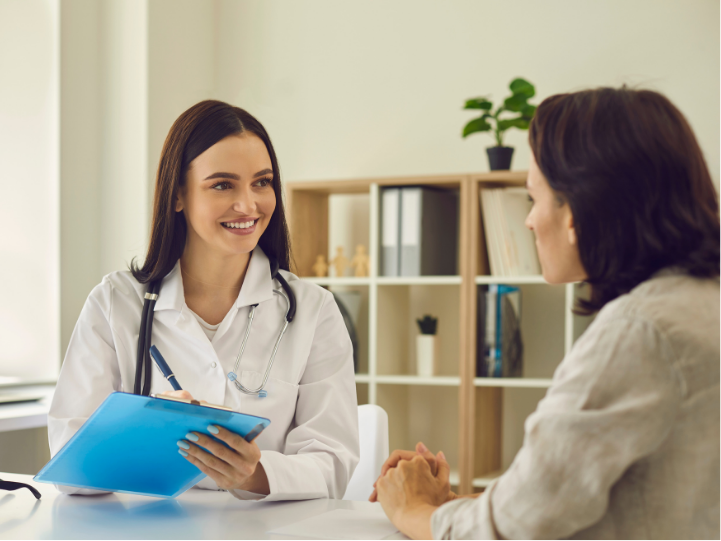
GRM Foundation’s Mental Health Program provides free and accessible tele-counseling, community therapy sessions, stress management workshops, and specialized caregiver support. Grounded in empathy, confidentiality, and professional care, our mission is to ensure no one carries their emotional burden alone.
The Challenge
Overwhelming caregiver fatigue, parental depression, societal pressure, and deep-seated stigma prevent millions from seeking help. Rural and marginalized parents often lack awareness or financial means to access professional psychological support, leading to chronic illness, family breakdowns, and suffering in silence.
Our Approach
A Community-Integrated Psychosocial Model: Combining professional clinical counseling with peer support networks, parental mindfulness workshops, and community-level awareness. We normalize mental health care and integrate psychological wellness into schools, homes, and community centers.
Who we serve
- Parents & Caregivers: Mothers and fathers experiencing parental burnout, postpartum depression, or exhaustion from caring for special-needs children.
- Community Responsibility Bearers: Teachers, frontline healthcare workers, local volunteers, and NGO staff facing vicarious trauma and high stress.
- Youth & Students: Adolescents struggling with academic stress, digital anxiety, and identity challenges.
- Women & Victims of Abuse: Women facing domestic stress, gender-based violence, or socio-economic hardship.
- Families in Crisis: Individuals recovering from sudden loss, trauma, or medical emergencies.
What we do in the field
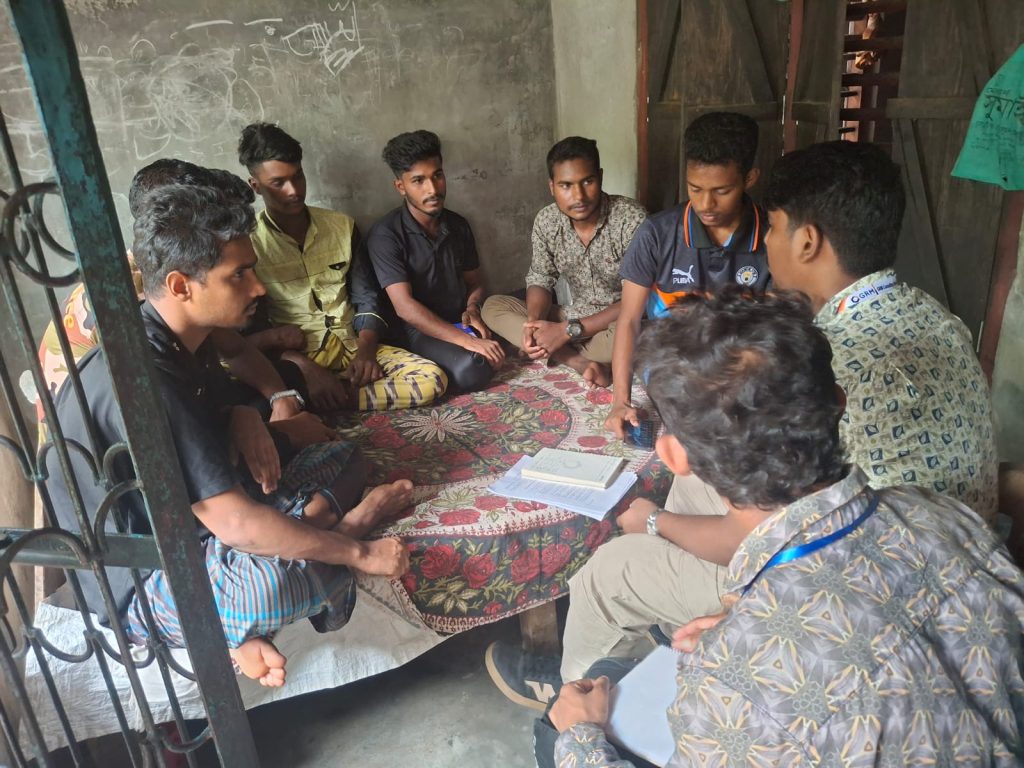
Parental & Caregiver Wellbeing Workshops
Dedicated support groups, stress-coping strategies, and therapeutic sessions for parents navigating burnout and caregiving exhaustion.
One-on-One Counseling & Tele-Mental Health
Confidential individual sessions (in-person and helpline) with certified psychologists and trained mental health counselors.
Caregiver Respite & Mindfulness Retreats
Creating safe, restorative spaces where full-time caregivers can recharge physically and emotionally.
School & Youth Mental Health Programs
Equipping students and educators with emotional intelligence, peer counseling skills, and stress-reduction toolkits.
Community Mental Health First Aid (CMHFA)
Training local volunteers and community leaders to identify early signs of psychological distress and offer crisis first-aid.
Support Groups for Special-Needs Families
Facilitated peer-to-peer networks where parents of neurodivergent or disabled children share coping mechanisms and build community.
Postpartum & Maternal Mental Care
Awareness and counseling support for new mothers experiencing postpartum anxiety, depression, and mood disorders.
Stigma Reduction & Advocacy
Public campaigns, workshops, and radio/social media drives to dismantle mental health stigma and promote emotional health as a human right.
Our project methodology
- Screening & Assessment: Utilizing culturally validated tools (PHQ-9, GAD-7) to identify levels of emotional distress.
- Tailored Intervention: Offering individual counseling, group therapy, or referral to specialized psychiatric care when needed.
- Empowerment & Support Networks: Establishing local peer-support circles for long-term emotional resilience.
- Follow-up & Care Continuity: Regular check-ins to monitor progress, emotional health, and family dynamics.
How we measure impact
- % of caregivers reporting reduced burnout and improved family wellness.
- # of individuals receiving free one-on-one counseling and tele-therapy support.
- # of workshops conducted for parents, teachers, and frontline workers.
- # of community mental health first-aiders trained across project districts.
- % reduction in self-reported anxiety and stress levels among program participants.

"I learned that taking care of myself is not selfish—it’s necessary for my child."
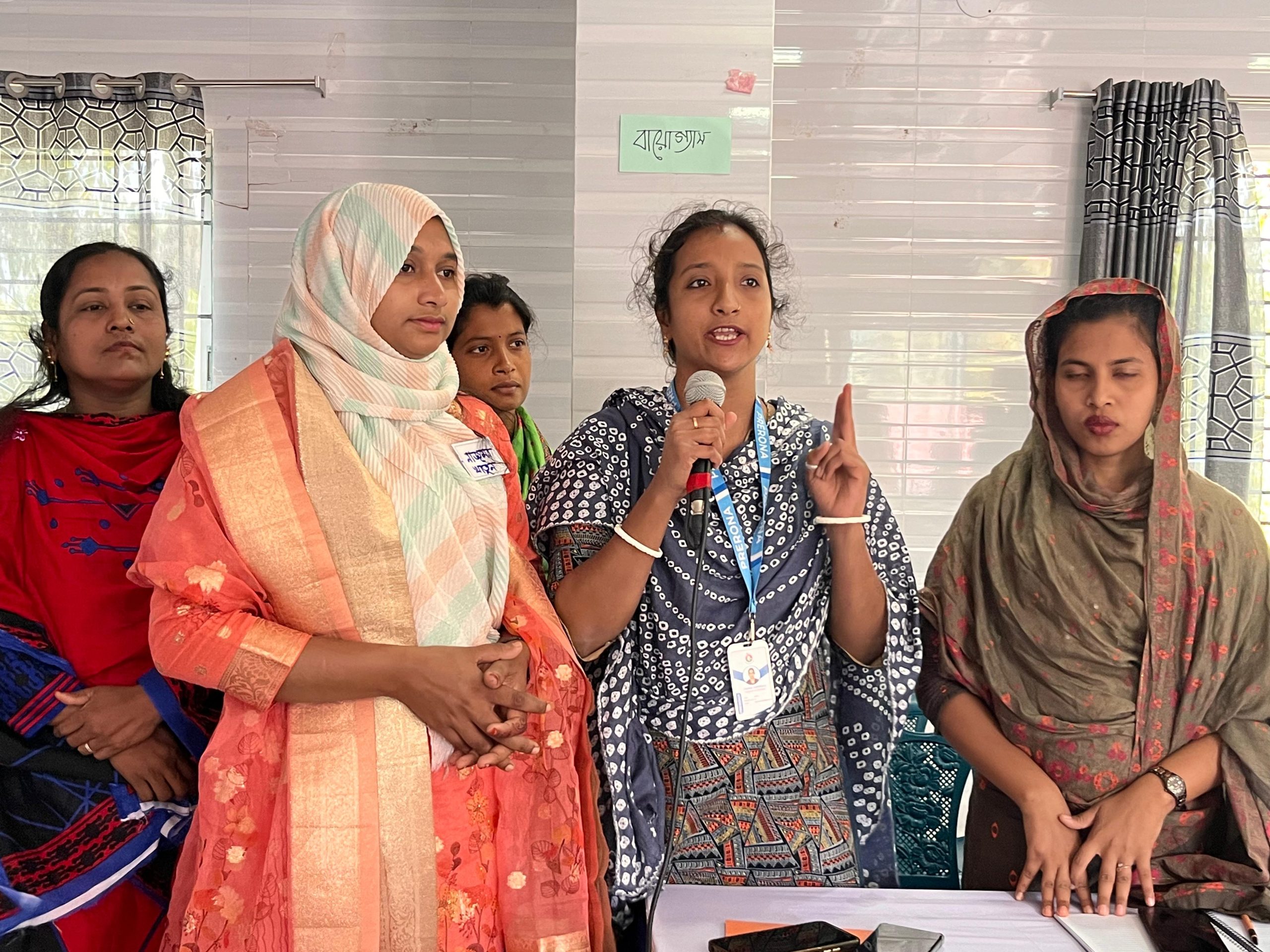
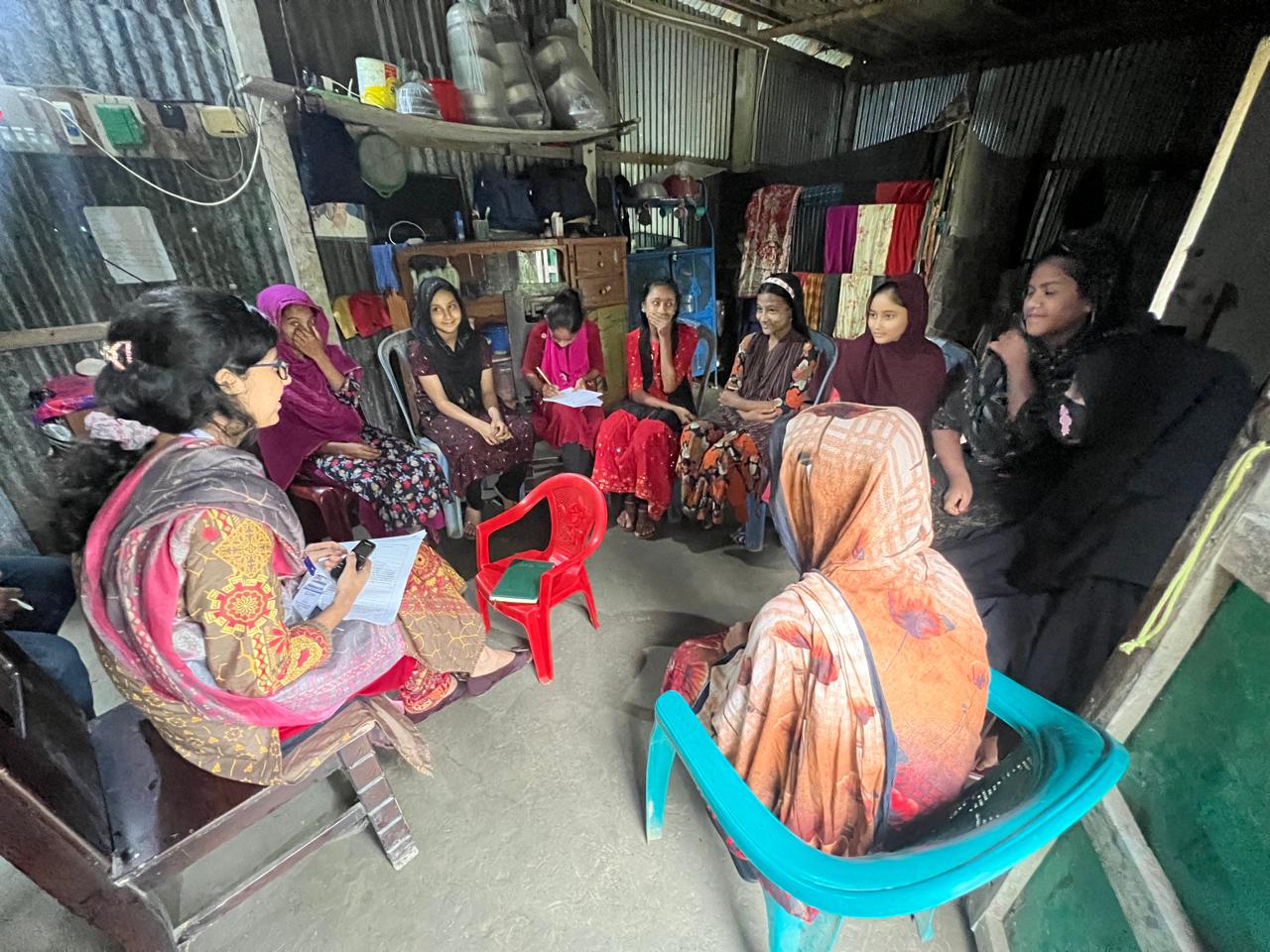
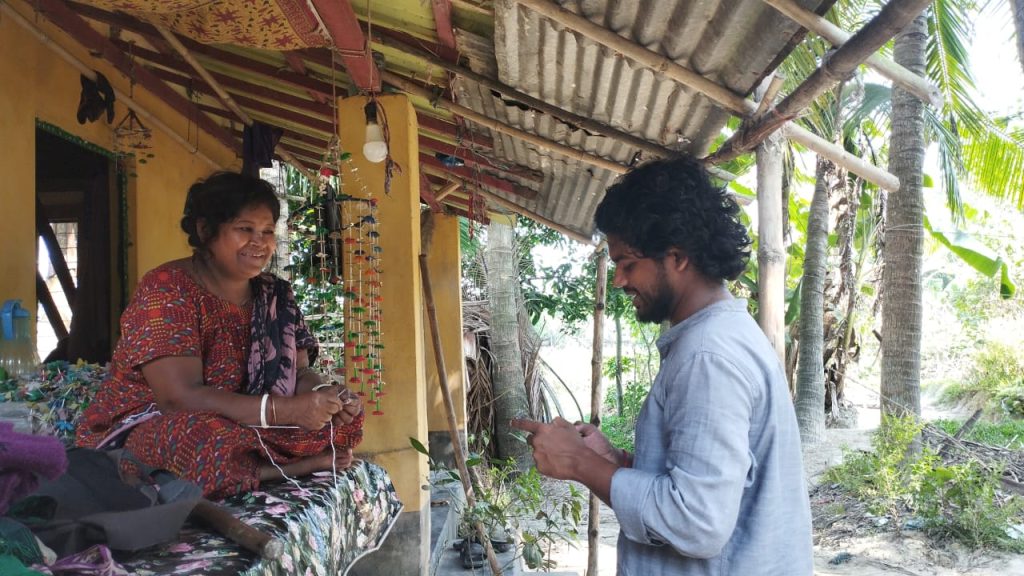
When Rahima (32), a mother of two from Barisal, felt completely exhausted and hopeless while managing household duties and caring for her child with autism, she found Monon’s Caregiver Support Group. Through 8 weeks of group therapy and parental counseling, she rebuilt her emotional strength and now mentors 15 other mothers in her village.
Would you like to start a project with us?
Let’s work together to create lasting impact. Partner with GRM Foundation today and turn ideas into action for a better tomorrow.