Skills, capital and markets — so families can build their own way out of poverty.
We invest in the productive capacity of youth, women, farmers and micro-entrepreneurs with market-driven training, seed capital, financial inclusion and enterprise support that lasts long after project close-out.
Program at a glance
Bangladesh’s poverty story is a story of near-misses: millions of families are one flood, one illness or one lost job away from slipping back below the poverty line. GRM Foundation’s Livelihoods program has trained 55,000+ youth and farmers in market-driven skills, disbursed BDT 1.2 billion in group-based savings and loans, and helped over 12,000 producers connect to formal markets, buyers and financial services. We work across five inter-linked pillars — skills, entrepreneurship, agriculture & value chains, financial inclusion, and social protection — with intentional inclusion of women, persons with disabilities and returnee migrants.
The Challenge
Rural underemployment, a mismatch between skills and market demand, weak market linkages for smallholders, low female labour-force participation, and repeated climate shocks push millions of Bangladeshi families in and out of poverty every year. The bottom 40% own less than 20% of national income and remain locked out of formal finance.
Our Approach
Match every training to a real market. Match every producer to a real buyer. Back it with savings, credit, insurance and safety nets. And build in graduation pathways so ultra-poor households move from protection to production to prosperity.
Who we serve
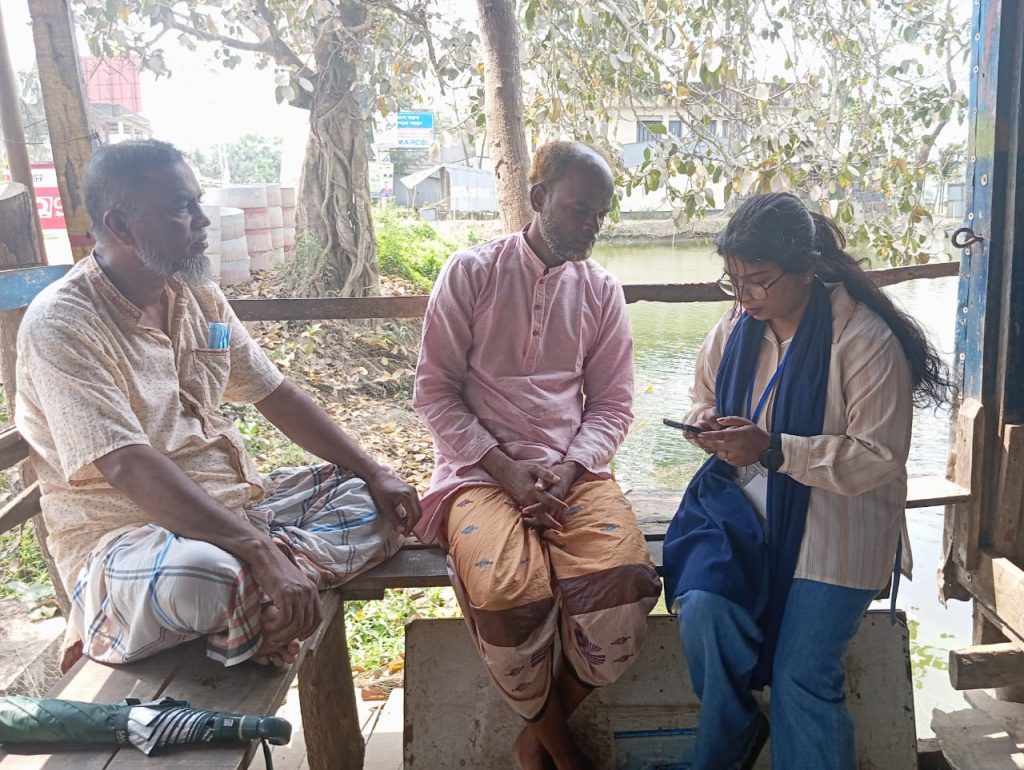
- Unemployed and underemployed youth (15–29)
- Women micro-entrepreneurs and home-based producers
- Smallholder farmers, fisherfolk and livestock keepers
- Ultra-poor and graduation-cohort households
- Persons with disabilities entering the workforce
- Returnee migrant workers and their families
What we do in the field
Market-linked vocational training
Nationally-certified training in construction, textiles & RMG, ICT, hospitality, electrical, driving, beauty & wellness, and green skills — with 72% placement within six months.
Climate-smart agriculture & fisheries
Extension, quality inputs, integrated pest management, aquaculture and post-harvest handling for 32,000+ smallholder farmers and fisherfolk.
Micro & small enterprise development
Business plan support, seed grants, equipment and 12-month mentoring for women- and youth-led enterprises.
Producer collectives & value chains
Farmer producer organizations, women's cooperatives, contract farming and direct market linkage with supermarkets, exporters and processors.
Financial inclusion
Group savings, digital wallets, MFI linkage, micro-insurance (health, crop, livestock) and financial literacy for 68,000 rural women.
Ultra-poor graduation
A 24-month package of consumption support, asset transfer, coaching and savings — moving the poorest households onto sustainable livelihoods.
Digital & gig economy skills
Freelancing, e-commerce, digital marketing and data-entry training with certification, laptops and marketplace onboarding.
Safe migration & returnee reintegration
Pre-departure orientation, skills recognition and enterprise support for aspiring and returnee migrant workers.
Youth entrepreneurship & innovation labs
Business incubation, pitch competitions and access to seed investors for early-stage rural entrepreneurs.
Our project methodology
- Local labour-market and value-chain assessment before every training cohort or investment.
- Curriculum co-designed with employers, industry associations and technical training institutes.
- Post-training placement support and 12-month tracer studies with income tracking.
- Producer aggregation, quality upgrading, certification and structured buyer matching.
- Layered financial services through partner MFIs, commercial banks and mobile-money providers.
- Gender-responsive design and universal-design retrofits so women and PWDs can fully participate.
How we measure impact
- % of graduates employed or self-employed 6 & 12 months post-training
- % increase in household income and productive-asset ownership
- # of new enterprises registered and surviving after 2 years
- % of women reporting increased control over household finances
- % of loans repaid on time in group-savings schemes
- # of PWDs successfully placed in mainstream employment
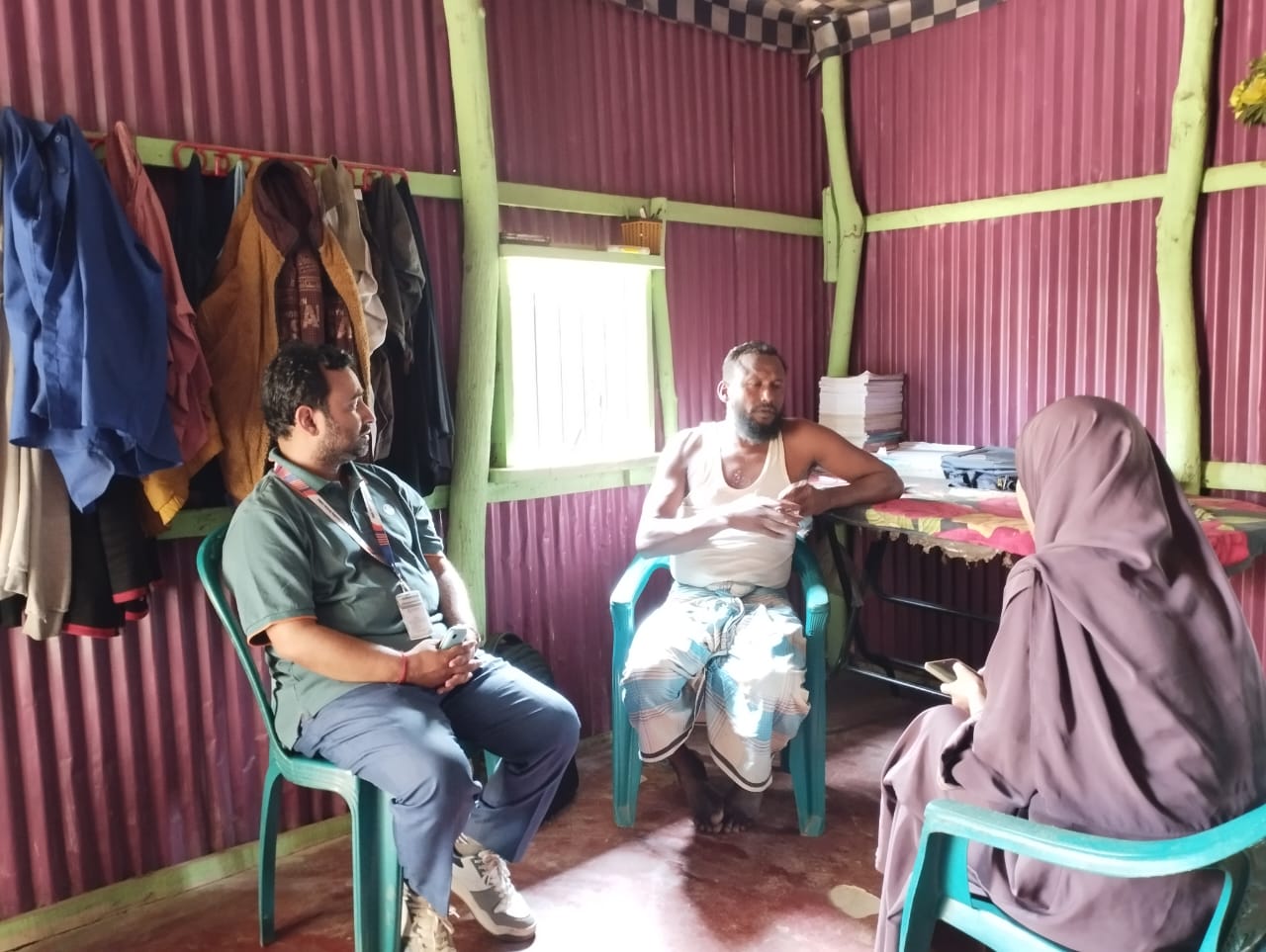
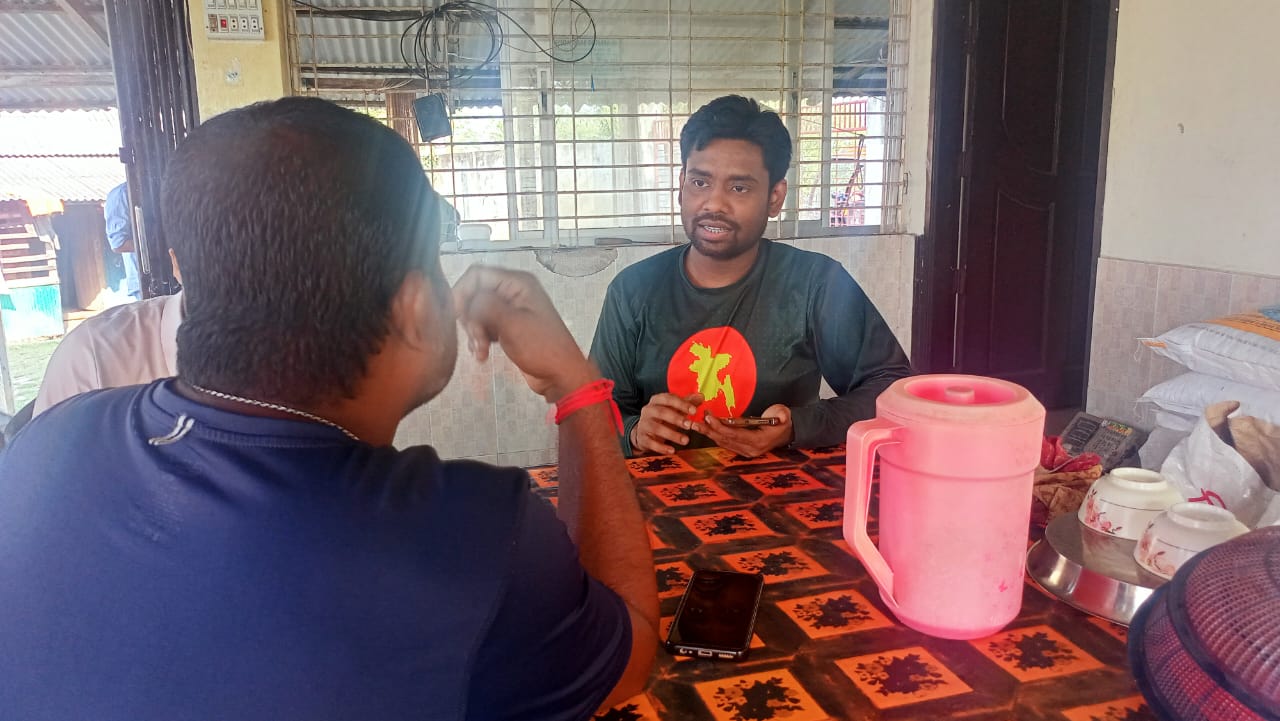
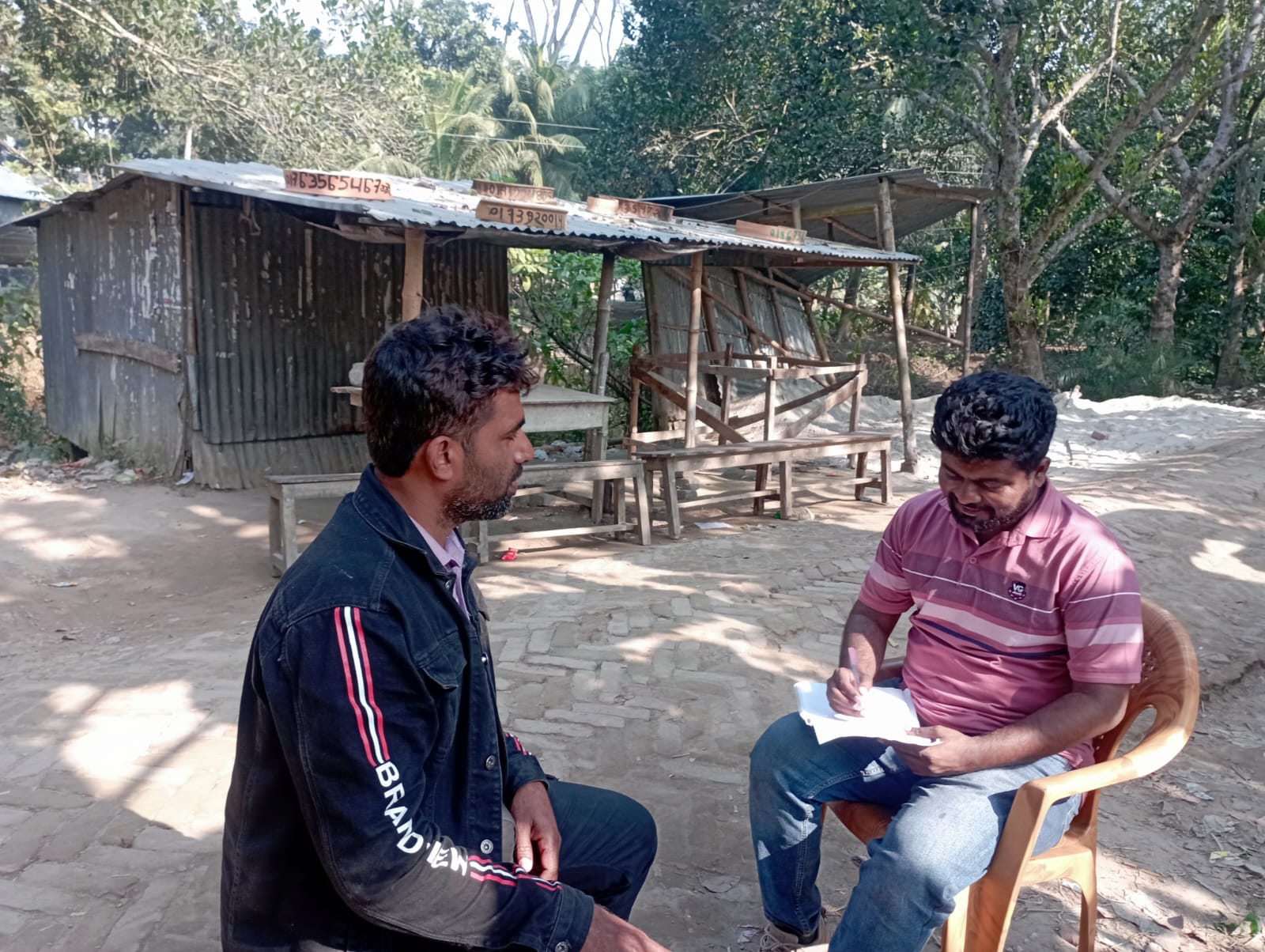
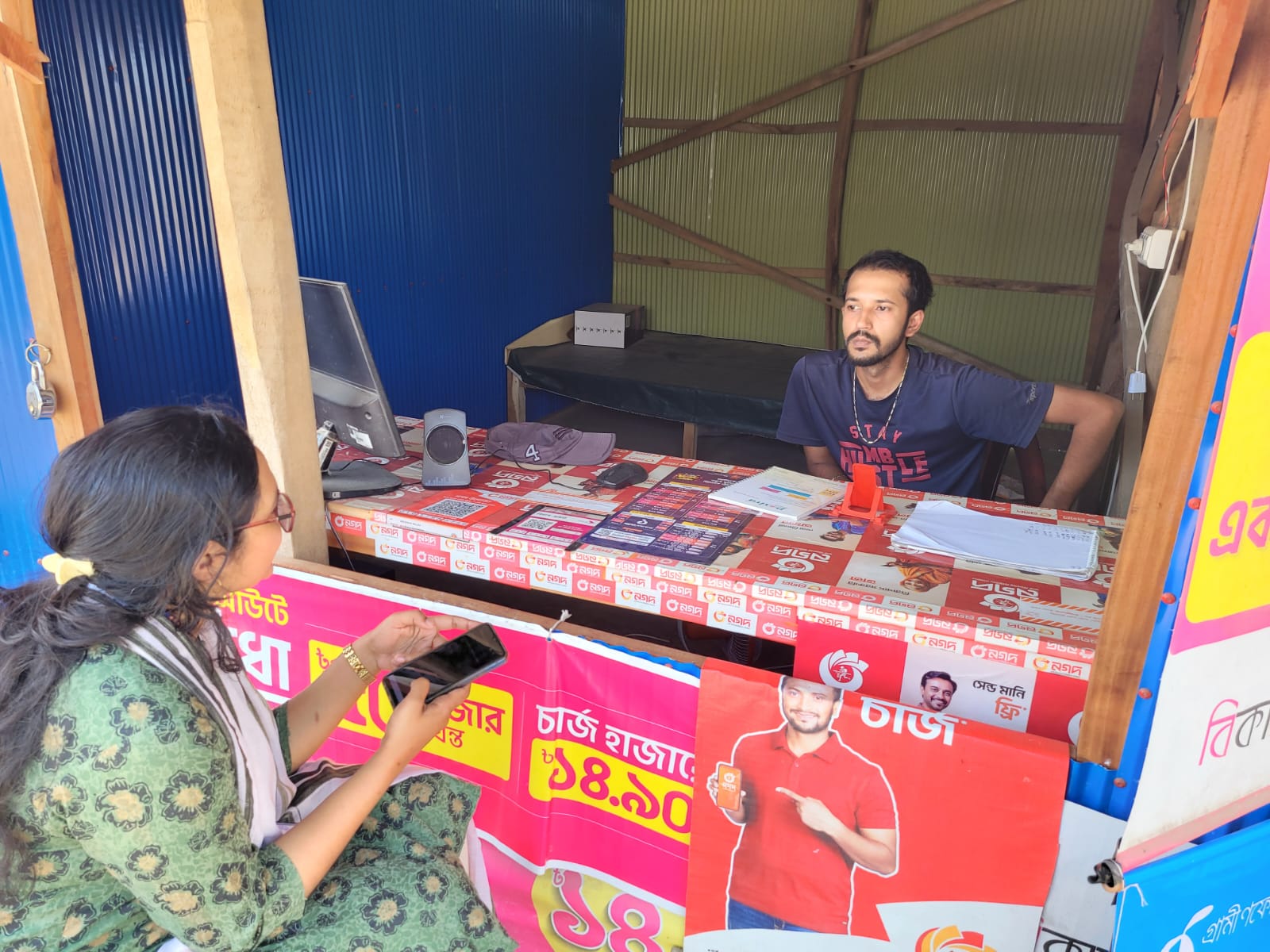
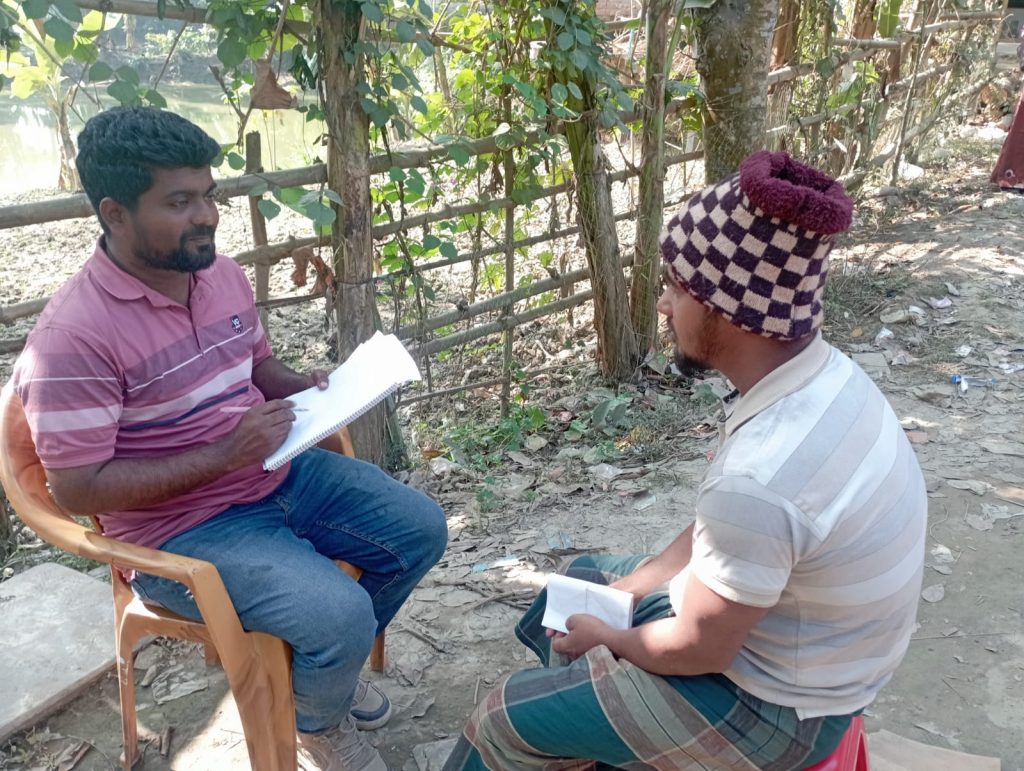
From day-labourer to lead farmer of a 60-member cooperative.
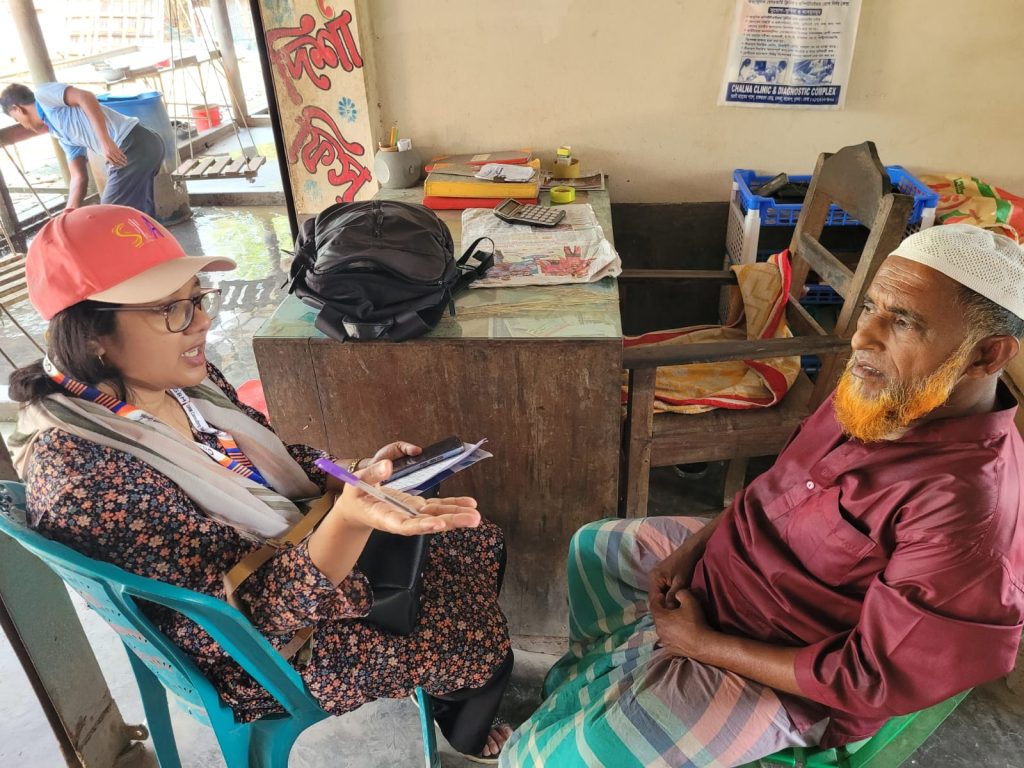
Kamal used to work as a day-labourer for BDT 300 a day. After a season of climate-smart vegetable training and a BDT 40,000 seed grant, he built a small greenhouse. Three years on he leads a 60-member farmer cooperative supplying vegetables to two supermarket chains in Dhaka — earning ten times more, employing 12 others, and mentoring the next cohort of young farmers in his upazila.
Would you like to start a project with us?
Let’s work together to create lasting impact. Partner with GRM Foundation today and turn ideas into action for a better tomorrow.