
Standing with the frontline of the climate crisis in Bangladesh.
From cyclone-battered coasts to drought-stressed chars, we help vulnerable communities adapt, protect ecosystems, and build a low-carbon future — with women, youth and Indigenous groups leading the way.
Program at a glance
Bangladesh is one of the world’s most climate-vulnerable countries: more than 30 million people live within one metre of sea level, and every year cyclones, floods, salinity intrusion and heat stress erode lives and livelihoods. GRM Foundation partners with 2,100+ villages across coastal, char, haor and hill areas on locally-led adaptation, ecosystem restoration, disaster risk reduction, clean energy access and climate-resilient WASH. Our climate program is anchored in local knowledge, aligned with Bangladesh’s National Adaptation Plan (NAP) and Mujib Climate Prosperity Plan, and delivered through partnerships with government, UN agencies and community-based organizations.
The Challenge
Cyclones such as Sidr, Aila, Amphan and Sitrang have displaced millions and pushed families deeper into poverty. Rising salinity is destroying farmland in the south; flash floods and river erosion uproot char communities every monsoon; heat waves are triggering a public-health crisis in cities and the northwest. Women, children, elderly, and persons with disabilities bear the sharpest burden — yet remain least represented in climate decision-making.
Our Approach
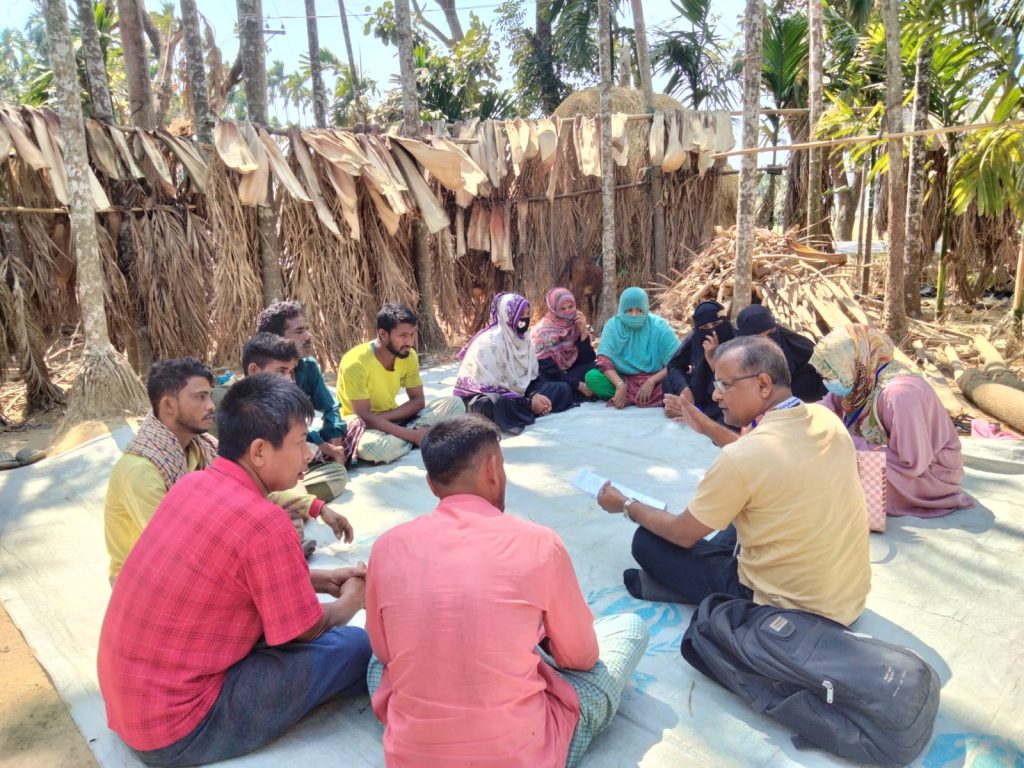
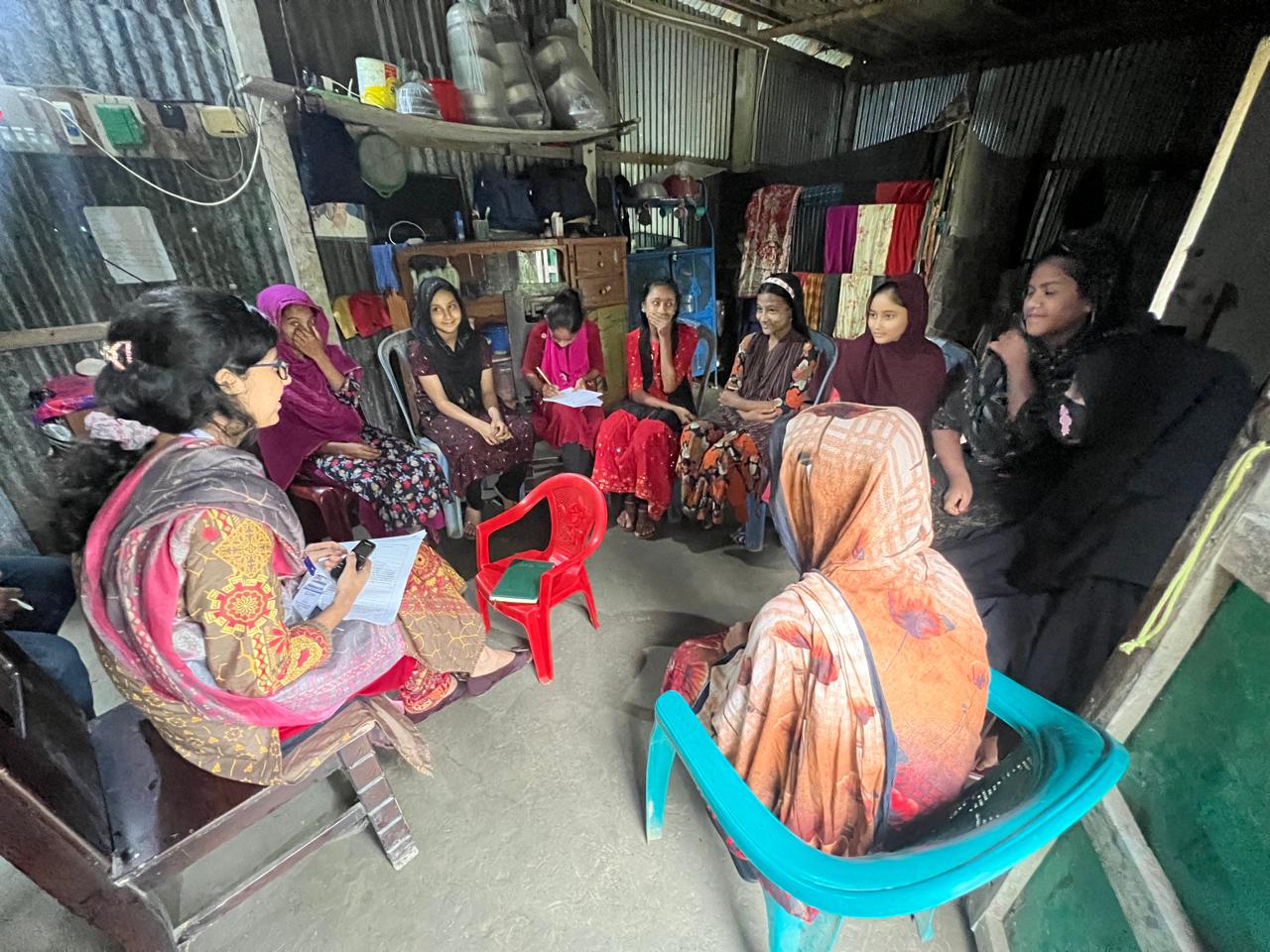
A locally-led adaptation model that combines nature-based solutions, resilient infrastructure, early warning, clean-energy access and climate-smart livelihoods. Every intervention starts with a community vulnerability assessment, is co-designed with Union Parishads and women's groups, and includes financing that flows directly to community-managed adaptation funds.
Who we serve
- Coastal, char, haor and hill communities
- Smallholder farmers, fisherfolk and forest-dependent groups
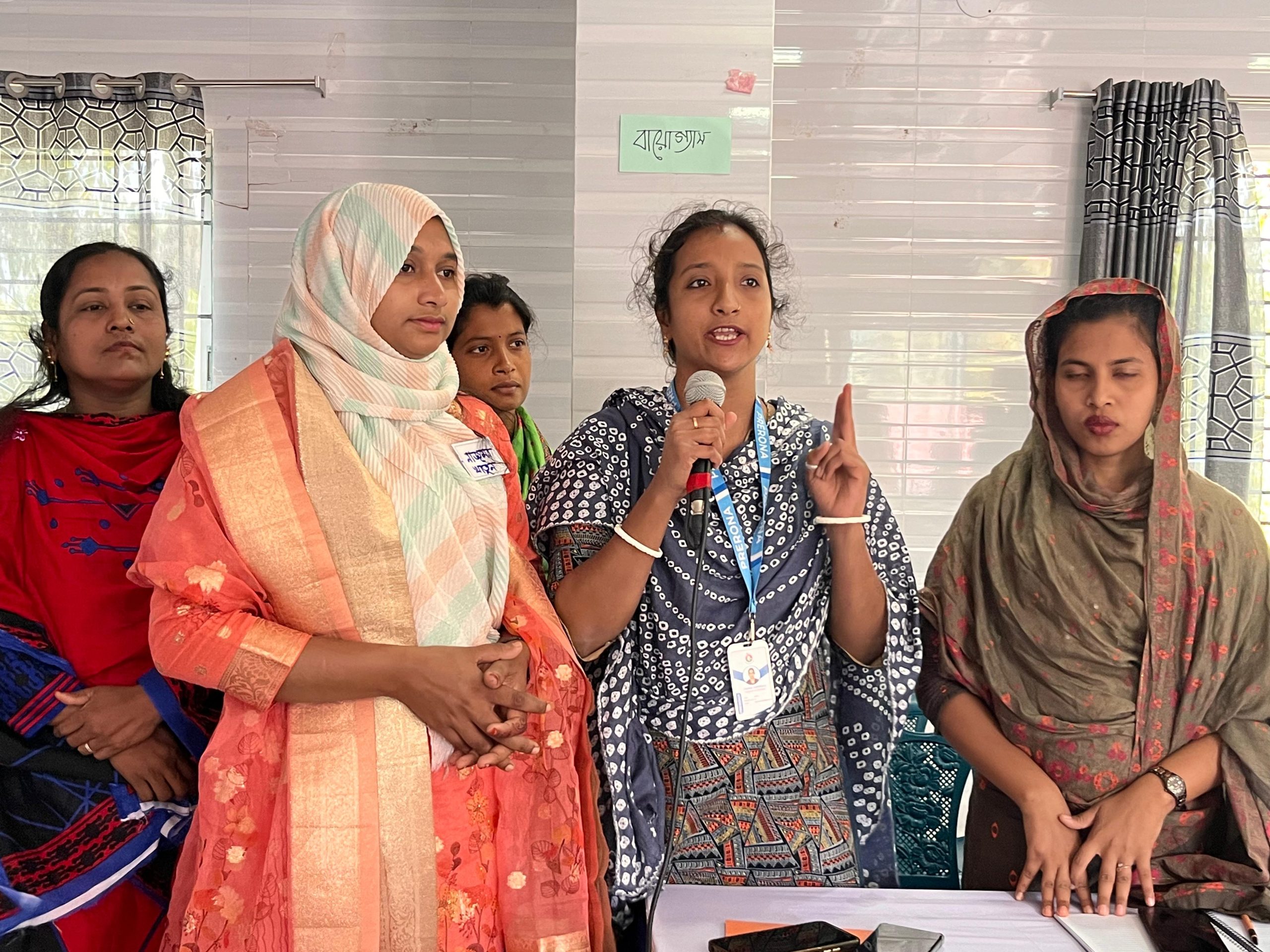
- Women-led water, sanitation and adaptation committees
- Youth climate champions and school green clubs
- Persons displaced by climate events and salinity-affected households
- Indigenous communities in the Chittagong Hill Tracts
What we do in the field
Nature-based solutions
Mangrove restoration in the Sundarbans belt, agroforestry on chars, homestead greening and biodiversity monitoring by community stewards — 1.4 million trees planted with a 78% survival rate.
Disaster preparedness & response
Community early-warning systems, cyclone shelter management, evacuation drills, first-responder training and rapid cash & shelter response after every major hazard.
Coastal & saline adaptation
Salt-tolerant rice varieties, floating vegetable gardens, crab & fish culture, embankment protection and freshwater pond sand filters in Satkhira, Khulna and Bagerhat.
Water security & climate-resilient WASH
Rainwater harvesting, managed aquifer recharge, safe water networks and menstrual-hygiene-friendly WASH in schools, health facilities and cyclone shelters.
Clean & renewable energy
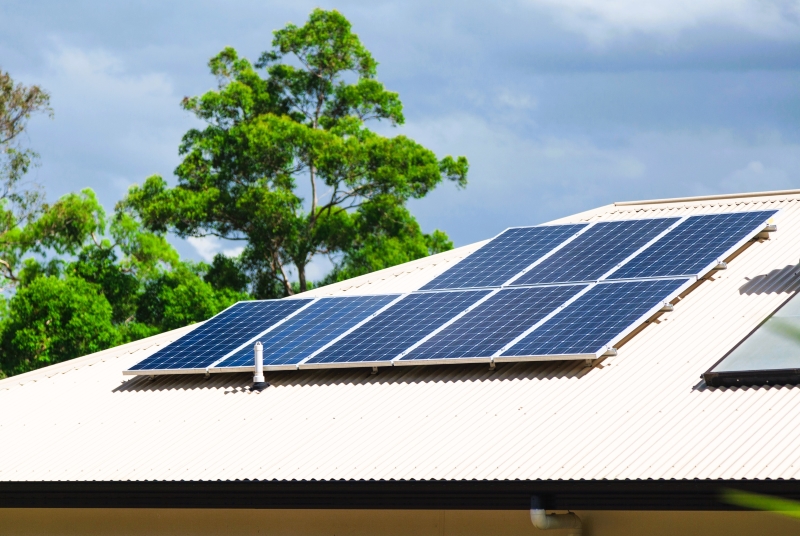
Solar home systems, solar irrigation pumps, mini-grids for off-grid chars and clean cook-stoves — cutting kerosene use in 18,000+ households.
Climate-smart agriculture
Weather-indexed advisories, drought-tolerant seeds, integrated pest management and post-harvest cold chains for smallholders in the northwest and haor basin.
Climate justice & advocacy
Amplifying frontline voices in COP negotiations, loss-and-damage claims, and pushing for gender-responsive climate finance to reach the last mile.
Youth & schools climate action
Green clubs in 400+ schools, citizen-science monitoring, and a Youth Climate Fellowship training the next generation of adaptation leaders.
Resilient infrastructure
Elevated homesteads (plinth raising), cyclone-resilient housing retrofits, community disaster shelters and climate-proof school buildings.
Our project methodology
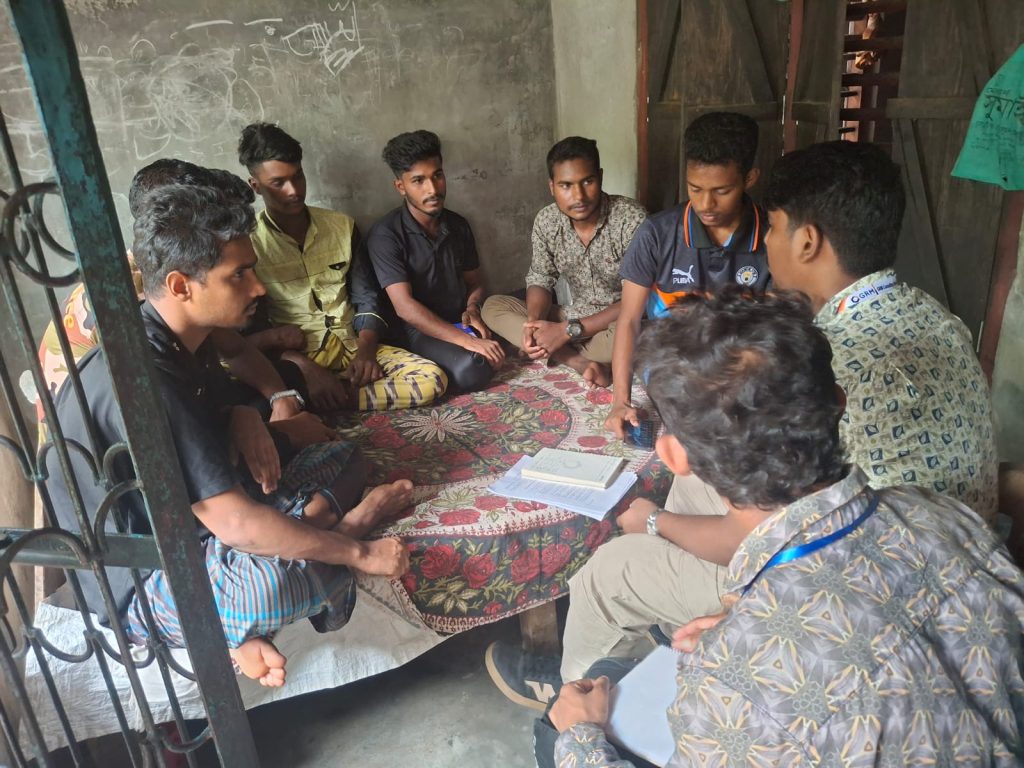
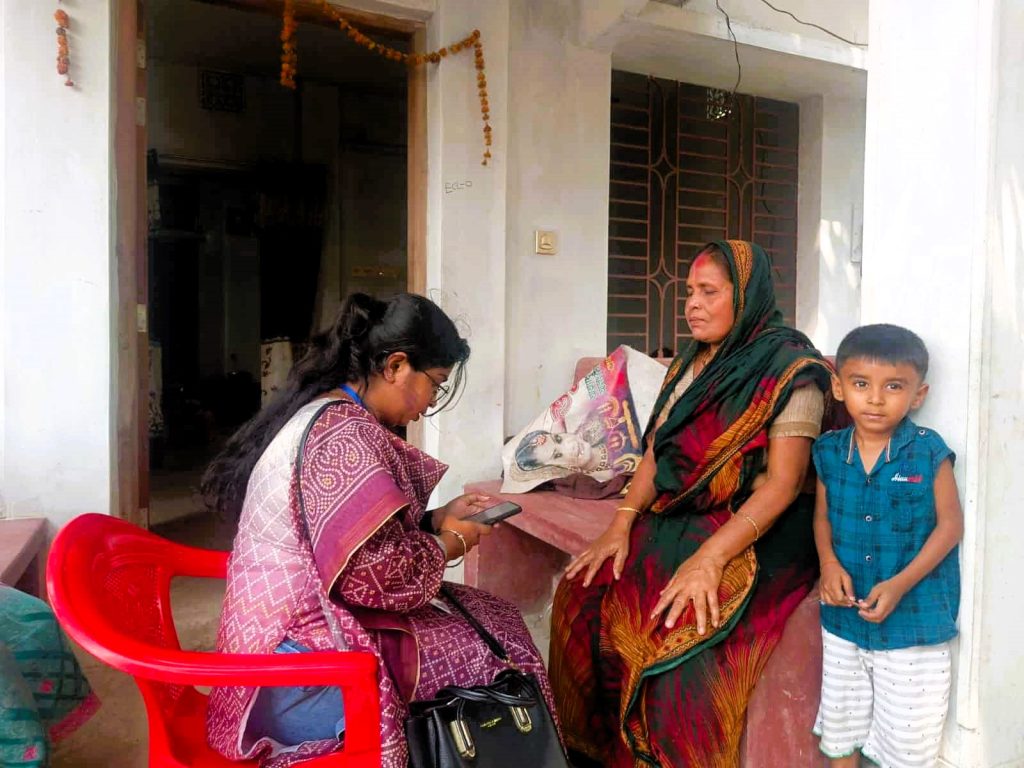
- Community-based Vulnerability and Capacity Assessment (VCA) in every project village, with disability- and gender-disaggregated data.
- Locally-Led Adaptation (LLA) plans co-owned with Union Parishads and formally integrated into local government budgets.
- Blended nature-based and grey-infrastructure investments, sequenced by hazard risk and cost-benefit analysis.
- Youth-led monitoring using low-cost sensors, mobile tools and satellite imagery.
- Advocacy with local, national and global institutions for climate-smart budgeting, loss-and-damage finance, and inclusive representation.
How we measure impact
- # of households adopting at least three climate-resilient practices
- % reduction in disaster-related losses (lives, assets, income)
- # of villages with functional community early-warning systems
- % of local government climate budgets reaching women & PWDs
- Tonnes of CO₂ avoided through renewable energy and clean cooking
- # of hectares of mangrove, wetland and forest restored
The mangrove wall that saved 12 villages.
Ten years of community mangrove planting on the Satkhira coast created a living green wall that shielded 12 villages during Cyclone Sitrang — with zero fatalities and 80% less damage than neighbouring areas. Today, Rehana leads the 240-woman mangrove cooperative that manages 640 hectares of coastal forest and earns income from sustainable honey and crab farming.
Would you like to start a project with us?
Let’s work together to create lasting impact. Partner with GRM Foundation today and turn ideas into action for a better tomorrow.